
Part 3: Various Types of Sacrifices
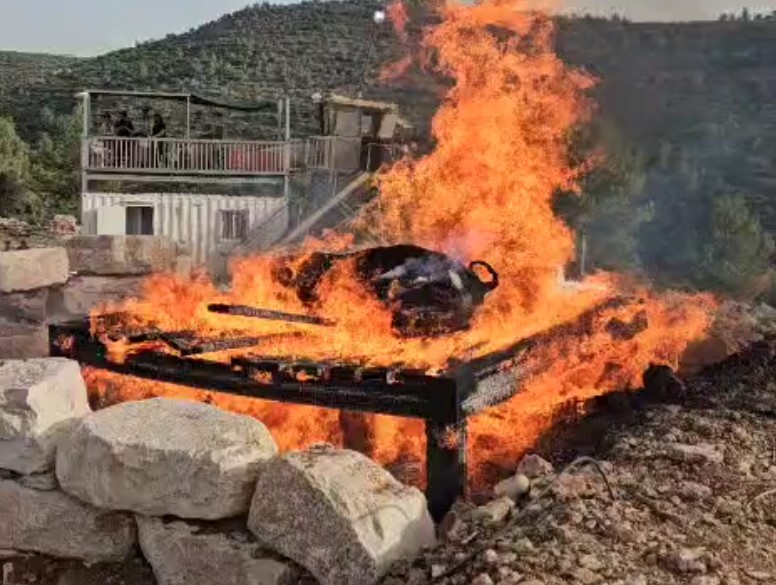
Burnt Offering: Olah, H5930 עולה
This was an offering brought to symbolize one’s complete surrender to God. It was brought with fullness of Joy, voluntarily and willingly. It symbolized one’s selfless devotion to God. The offerer receives nothing in return as the entire sacrifice was consumed on the altar. Leviticus 1:1-17, 6:8-13.
Grain Offering: Minchah H4503 מנחה
The grain offering was considered a gift to God. The offerer wanted to draw near by offering a tribute. It was the only vegan offering in the temple service. Consisted of unleavened wheat, oil, and frankincense. The priests offered a handful on the altar and then ate the rest. The offering was sprinkled with salt to symbolize the "Salt of the Covenant" which symbolized the preservation of God's perpetual covenant with Israel. Salt was a preservative and prevented decay. This offering is also called the meal or cereal offering. It should be noted that, in some Bible translations, this offering is called "meat offering". This is the old English word for grain and did not have an animal component to it. (Lancaster, 2024) Leviticus 2:1-16,6:14-23
Peace Offering: Shelem H8002 שלם
This offering was brought so that a table and a meal could be shared with God. It represented fellowship between man and God. The man who offered the sacrifice would often invite family and friends to partake of the meat. The choice fats, kidneys, the long lobe of the liver, and entrails were offered on the altar. The rest was consumed by the one presenting the offering and the priests who performed the offering. Thanksgiving, votive, freewill, and the Passover lamb were all included in this category. Peace offerings were not brought as a penalty for sin or to earn forgiveness. This may seem confusing since Christ was our Passover lamb. But, again, these sacrifices provided a covering for us to approach God without being consumed by His presence. Only Yeshua atoned for willful and intentional sin. And forgiveness of sin was through confession, repentance, and restitution. Leviticus 3:1-17, 7:11-36
Sin Offering: Chatah H2403 חטאת
The name of this offering can be confusing, and many believers may draw the wrong conclusion from it. However, this sacrifice was for purification purposes AFTER the sin was confessed, repented of, and forgiven. Not for the sin itself. Leviticus 4:1-5:13, 6:24-7:7. Therefore, it would be better understood if it were called a purification offering. The offerings varied greatly depending on who sinned. It varied if they were a leader, a king, an Israelite, rich, or poor. (Lancaster, 2024)
There were times when a person would not sin but was required to bring this offering for purification. Examples include: Purification after childbirth (Leviticus 12:6), a leper after cleansing (Leviticus 14:19), or a Nazarite who came in contact with a corpse or completed his vow (Numbers6:11,14).
Additionally, the Red Heifer falls under this category, a sit purifies a person’s flesh so they may perform temple ceremonies after being contaminated by contact with the dead. The Red Heifer is essential so that priests and people may enter the temple to perform the rituals. In Acts21:23-24, the purification spoken of was carried out by Paul and the four men to perform the rituals required by the Torah and fall under this particular sacrifice. They would have sprinkled themselves with the ashes of the Red Heifer before entering the temple to complete their vows. The Red Heifer ashes cleansed the worshiper from corpse uncleanliness and purified the flesh so that the worshiper could be ceremonially clean for temple service.
Guilt Offering: Asham H817 אשם
This offering is similar to the sin offering, but it was brought when an offense required a payment in addition to restitution. There were some offenses designated in God’s law that required not only restitution of the damage but an additional one-fifth. This can also be called the trespass offering. Leviticus 5:14-6:7, 7:1-7
Conclusion
As you can see, none of the sacrifices were intended to provide forgiveness of sin. Rather, they allowed the sinner to draw near to God after a sin was repented of. Additionally, none of the sacrifices were for intentional or rebellious sin against the heart of God. Nor, did they cleanse the sinner’s conscience. Only Yeshua is able to bring the sinner such a gift.
(Lancaster, 2024)
References
Lancaster, D. T. (2024). Sacrifices From AMessianic Jewish Perspective. United States: First Fruits of Zion.